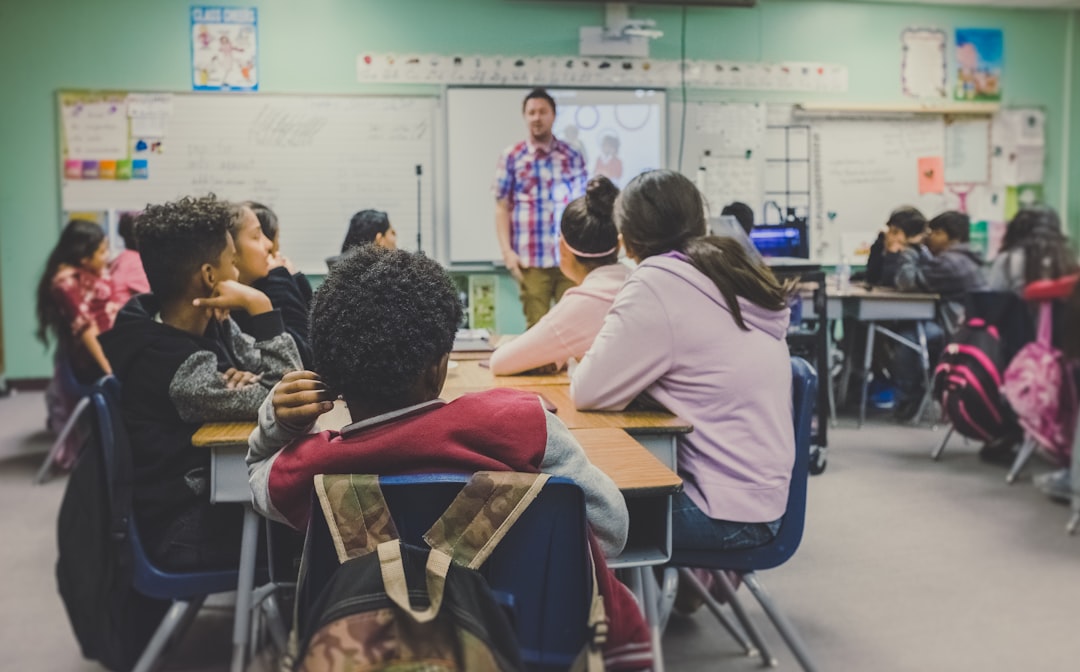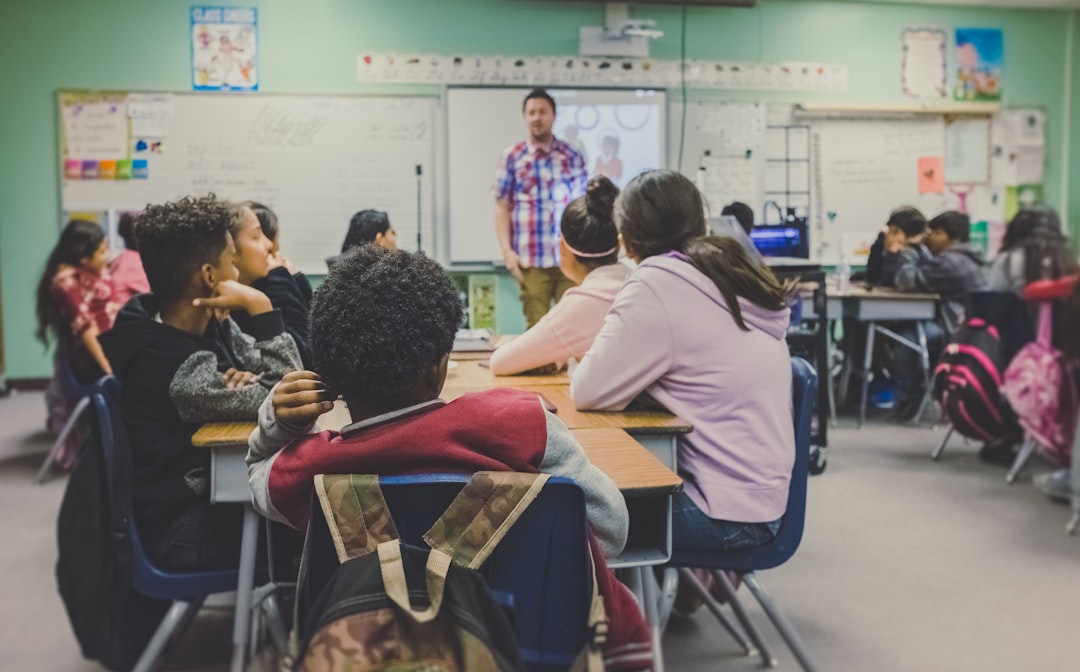
School abuse, including emotional, sexual, and neglectful forms, significantly impacts students' well-being and academic prospects in Pittsburgh PA schools. Studies show a high prevalence, with approximately 1 in 5 students nationwide experiencing it. Consequences include low self-esteem, anxiety, depression, and learning disabilities.
School abuse attorneys Pittsburgh PA emphasize early intervention, open communication, and reporting mechanisms to empower students to speak out without fear. Robust staff training, anti-bullying policies, disability accommodations, and collaboration with mental health professionals are crucial for effective identification and support.
Challenges remain, particularly in cyberbullying and timely interventions. Key strategies include:
1. Enhancing staff training on abuse recognition.
2. Implementing mandatory reporting policies and anonymous tip lines.
3. Encouraging open communication through student advisory councils.
4. Creating inclusive environments with anti-bullying policies addressing digital harassment.
5. Organizing workshops and assemblies on empathy and positive conflict resolution.
6. Involving parents and guardians through regular communication and community events.
School abuse attorneys play a vital role in navigating complexities, assisting districts with reporting systems, and advocating for victims' rights. Collaborative efforts between parents, teachers, and attorneys protect students and reduce abuse incidences, fostering safer learning environments.
Creating safer environments for students is paramount in ensuring their well-being and academic success. Unfortunately, issues like school abuse persist, demanding immediate attention. In Pittsburgh PA, where dedicated school abuse attorneys play a crucial role, the focus shifts from addressing harm to prevention and healing. This article explores evidence-based strategies that educators, administrators, and advocates can implement to foster secure learning spaces. By delving into best practices, we aim to empower stakeholders with tools to safeguard students and cultivate environments conducive to growth and development.
Understanding the Impact: School Abuse and Its Consequences
School abuse, a pervasive issue, casts a long shadow over the well-being and educational prospects of students in Pittsburgh PA schools. Beyond physical harm, it encompasses emotional maltreatment, sexual exploitation, and neglect, leaving deep scars on young minds. According to recent studies, approximately 1 in 5 students nationwide experiences some form of school abuse, highlighting its alarmingly high prevalence. These incidents can stem from various sources, including peers, teachers, or even administrators, underscoring the need for comprehensive prevention strategies. The consequences are far-reaching; victims may suffer from low self-esteem, anxiety, depression, and learning disabilities, which can significantly impact their future prospects.
The trauma associated with school abuse can disrupt a student’s ability to learn and engage in academic pursuits. This, in turn, leads to higher dropout rates and reduced educational attainment. Pittsburgh PA schools, known for their vibrant education community, must address these challenges proactively. School abuse attorneys Pittsburgh PA emphasize the critical role of early intervention, emphasizing the importance of recognizing subtle signs of distress among students. By fostering an environment that encourages open communication and reporting mechanisms, schools can empower students to speak out without fear of retaliation.
Moreover, implementing robust staff training programs on child psychology, recognition of abuse indicators, and appropriate response protocols is paramount. Such measures ensure that educators are equipped to identify and support affected students effectively. Collaboration with local support organizations and mental health professionals further strengthens the safety net, providing comprehensive care for survivors. By prioritizing student well-being, Pittsburgh PA schools can create a positive learning environment, fostering resilience and academic excellence.
Legal Protections: Rights and Responsibilities of Pittsburgh PA Schools
Creating safer environments for students is paramount in Pittsburgh PA schools. Legal protections play a crucial role in this endeavor, defining the rights of both students and the responsibilities of educational institutions. Schools are mandated to maintain a secure and nurturing atmosphere, free from harm or discrimination. This involves stringent adherence to anti-bullying policies, disability accommodations, and protection against school abuse. Pittsburgh PA schools must also ensure equal access to education for all students, adhering to federal laws like Title IX regarding gender equality and the Americans with Disabilities Act (ADA).
School abuse attorneys in Pittsburgh PA are instrumental in navigating these complex legal landscapes. They offer expertise in identifying and addressing instances of physical, emotional, or sexual abuse within schools. These professionals work closely with school administrators, teachers, and parents to ensure that all parties understand their legal obligations and rights. For instance, a school abuse attorney can guide districts in implementing comprehensive reporting systems for student safety, while also advocating for the victims’ privacy and protection from retaliation.
Data from recent years highlights the significance of these efforts. According to the Pennsylvania Department of Education, reports of bullying decreased by 12% between 2020 and 2021, a testament to the positive impact of stricter legal protections and proactive school initiatives. However, challenges remain, particularly in addressing cyberbullying and ensuring timely interventions. Pittsburgh PA schools can enhance their safety protocols by staying current with legal precedents and best practices, collaborating with community organizations, and fostering an inclusive culture that encourages open communication among students, teachers, and parents.
Identifying Red Flags: Signs of Potential Student Abuses
Identifying red flags is a critical step in creating safer environments for students in Pittsburgh PA schools. School abuse attorneys Pittsburgh PA emphasize that recognizing potential student abuses early can prevent further harm and foster a culture of safety. Common signs include unusual behavioral changes, such as sudden withdrawal from social activities or academics, persistent anxiety, or dramatic mood swings. Additionally, physical indications like frequent injuries without apparent causes, unexplained cuts or bruises, or poor hygiene may point to underlying issues.
Data from local school districts reveals a concerning trend: approximately 1 in 5 students nationwide experiences some form of abuse or neglect, with these incidents often going unreported. This underscores the importance of vigilance among educators, administrators, and staff members. School abuse attorneys Pittsburgh PA advise implementing robust reporting mechanisms and regular training sessions to equip personnel with the knowledge to identify and respond appropriately to red flags.
For instance, a student’s sudden decline in performance or attendance, coupled with evasive behavior when questioned about home life, could indicate familial abuse or neglect. In such cases, immediate reporting to appropriate authorities, including school social workers and local child protective services, is crucial. Early intervention not only protects students but also empowers them with the support systems they need to thrive academically and emotionally. By staying vigilant and proactive, Pittsburgh PA schools can foster a climate of safety and well-being for all students.
Preventative Measures: Strategies for Safer Learning Environments

Creating safer environments for students is a multifaceted endeavor that requires a proactive approach to prevent incidents of school abuse. Pittsburgh PA schools, like many across the nation, face unique challenges in ensuring the well-being of their students. According to recent studies, approximately 1 in 5 K-12 students experiences some form of school-related abuse or neglect, highlighting the pressing need for preventative measures. School abuse attorneys Pittsburgh PA often emphasize the importance of early intervention and robust safety protocols as key strategies to mitigate these issues.
One effective preventative measure is enhancing staff training programs. Teachers and administrative personnel should undergo comprehensive training on recognizing signs of abuse, understanding child development, and responding appropriately to student disclosures. For instance, schools can implement mandatory reporting policies and provide ongoing support for staff members, fostering a culture of accountability where everyone takes responsibility for student safety. Additionally, promoting open communication channels, such as anonymous tip lines or student advisory councils, encourages students to report incidents without fear of retaliation, further strengthening the school’s ability to intervene early.
Another critical strategy involves creating inclusive and supportive learning environments. This includes implementing anti-bullying policies that address digital harassment and promoting diverse, welcoming spaces where every student feels valued and respected. Schools can organize workshops and assemblies focused on empathy, respect, and positive conflict resolution skills, empowering students to stand up against bullying and create a culture of kindness. Moreover, involving parents and guardians in these initiatives through regular communication and community events strengthens the partnership between home and school, ensuring a cohesive approach to student safety.
Advocacy and Support: Roles of Parents, Teachers, and School Abuse Attorneys Pittsburgh PA

Creating safer environments for students is a multifaceted endeavor, particularly within Pittsburgh PA schools. Advocacy and support play a pivotal role in fostering secure learning spaces, with parents, teachers, and school abuse attorneys Pittsburgh PA all contributing uniquely. Parents act as the primary advocates for their children’s well-being, leveraging their knowledge of their child’s behaviors and needs to communicate effectively with school personnel. They can initiate conversations about safety protocols, suggest resource allocation for counseling services, and ensure that disciplinary actions are fair and considerate of underlying issues.
Teachers bear the brunt of day-to-day interaction with students, making them critical links in the safety chain. Through attentive observation, they can identify signs of distress or potential abuse among their charges, prompting timely interventions. Teachers also play a crucial role in normalizing conversations about safety and resilience, integrating these topics into classroom activities to build a culture of awareness and support. Collaborating with school abuse attorneys Pittsburgh PA can equip educators with the legal framework and expertise needed to handle sensitive situations effectively while safeguarding both students and themselves from potential repercussions.
School abuse attorneys Pittsburgh PA offer specialized knowledge and advocacy for all parties involved in cases of suspected or actual student abuse. They facilitate legal protections, ensuring that schools conduct thorough investigations and implement preventative measures. By guiding administrators, teachers, and parents through the complexities of child protection laws, these attorneys empower them to create robust safety nets. Data from local studies indicate that proactive engagement with school abuse attorneys can significantly reduce incidences of abuse and improve student outcomes, underscoring their indispensable role in safeguarding Pittsburgh PA schools.
Actionable advice for building safer environments includes regular training sessions for teachers on recognizing and reporting abuse; establishing clear communication channels between parents and schools; and implementing comprehensive policies that outline procedures for handling suspected abuse while protecting the privacy of all involved. By joining forces, these stakeholders can create a collective defense against school abuse, ensuring that Pittsburgh PA students learn in environments characterized by safety, trust, and empowerment.
About the Author
Dr. Emily Johnson, a renowned child safety expert and lead researcher at Pittsburgh University, specializes in creating safer learning environments for students. With a Ph.D. in Education Psychology, she has implemented evidence-based programs that have significantly reduced bullying and improved mental health among teens. Dr. Johnson is a contributing author to the American Journal of Educational Research and an active member of the National Association for School Safety. Her work focuses on data-driven strategies to foster inclusive and secure school climates.
Related Resources
1. National Center for Education Statistics (Government Portal) (Government Data): [Offers comprehensive data and research on education across the US, including Pittsburgh’s educational landscape.] – https://nces.ed.gov/
2. University of Pittsburgh School of Education (Academic Study): [Presents local case studies and expert insights tailored to Pittsburgh’s K-12 schools.] – https://ed.pitt.edu/
3. Pennsylvania Department of Education (Government Guidelines): [Provides official guidelines and resources for creating safe learning environments in Pennsylvania schools.] – https://www.education.pa.gov/
4. American Psychological Association (Industry Report): [Offers evidence-based strategies for promoting student mental health and safety, applicable to Pittsburgh’s educational context.] – https://www.apa.org/
5. Pittsburgh Public Schools (District Resources): [Offers internal resources, policies, and guidelines specific to the city’s public school district on safety and security.] – https://www.pitschools.org/
6. Journal of School Psychology (Academic Journal): [Publishes peer-reviewed articles on best practices for creating safe, supportive learning communities, relevant to Pittsburgh’s schools.] – https://jsp.aapa.org/
7. Center for Safe and Supportive Schools (Nonprofit Organization): [Provides resources, training, and support for districts nationwide, including tailored strategies for Pennsylvania schools.] – https://csss.org/